
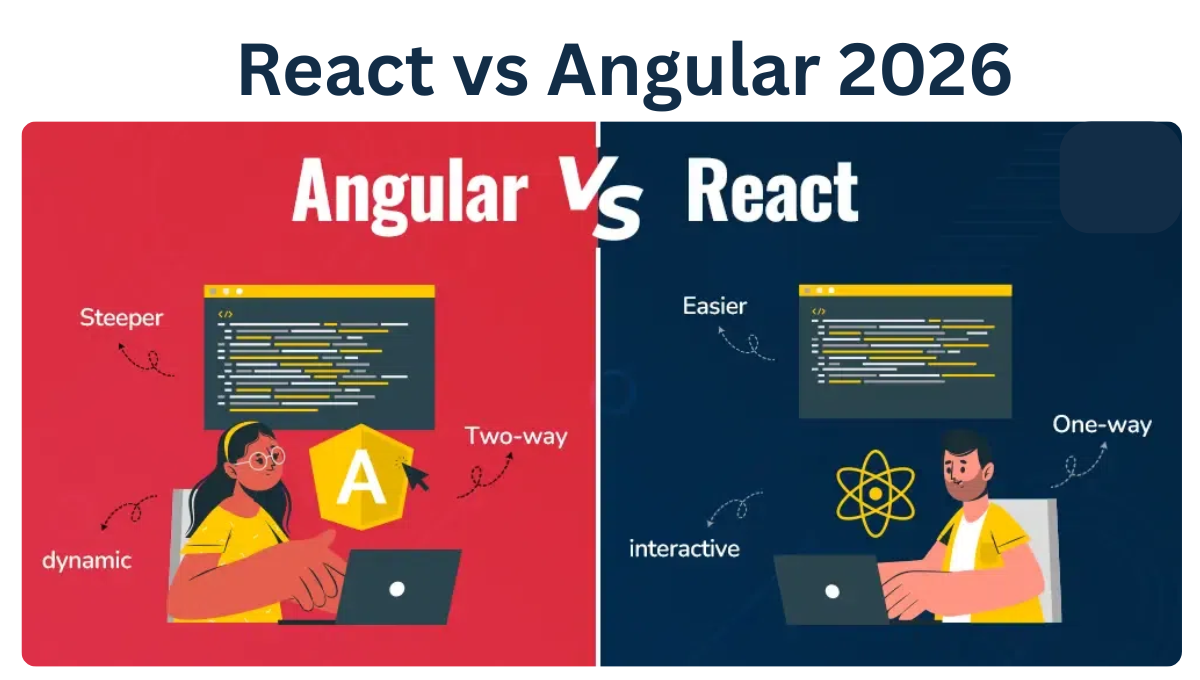
React vs Angular 2026: React vs Angular in 2026: Which One Should You Choose for Your Career and Projects?
Choosing the right frontend technology can feel overwhelming. If you are a student, a fresher, or even an experienced developer planning your next big project, you’ve probably asked yourself this question: Should I learn React or Angular in 2026?
The truth is, there is no single “perfect” answer. Both technologies are powerful, mature, and widely used across the world. The real difference lies in what you want to build and how you prefer to work. In 2026, the choice between flexibility and structure still defines the React vs Angular debate. React gives you freedom and speed, while Angular offers discipline and a complete structure out of the box.
Let’s understand both in a simple, clear, and practical way.
What is React?
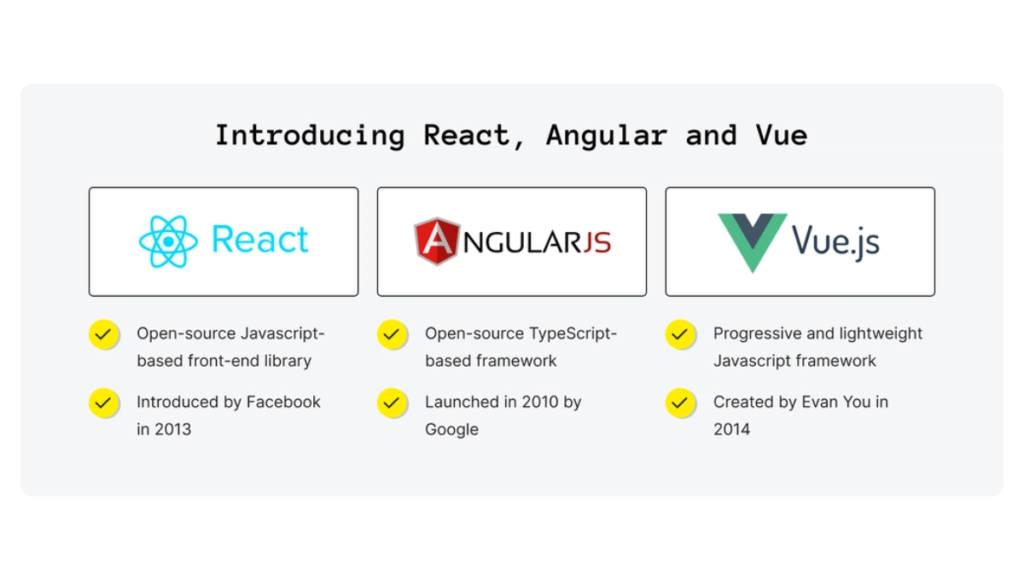
React is a popular JavaScript library created by Meta in 2013. It was designed to build user interfaces in a simple and efficient way. Over the years, React has grown into one of the most loved frontend technologies in the world.
React is not a full framework. It focuses mainly on building UI components. Think of it like building blocks. You create small reusable components and combine them to build powerful applications. This component-based approach makes development faster and more manageable.
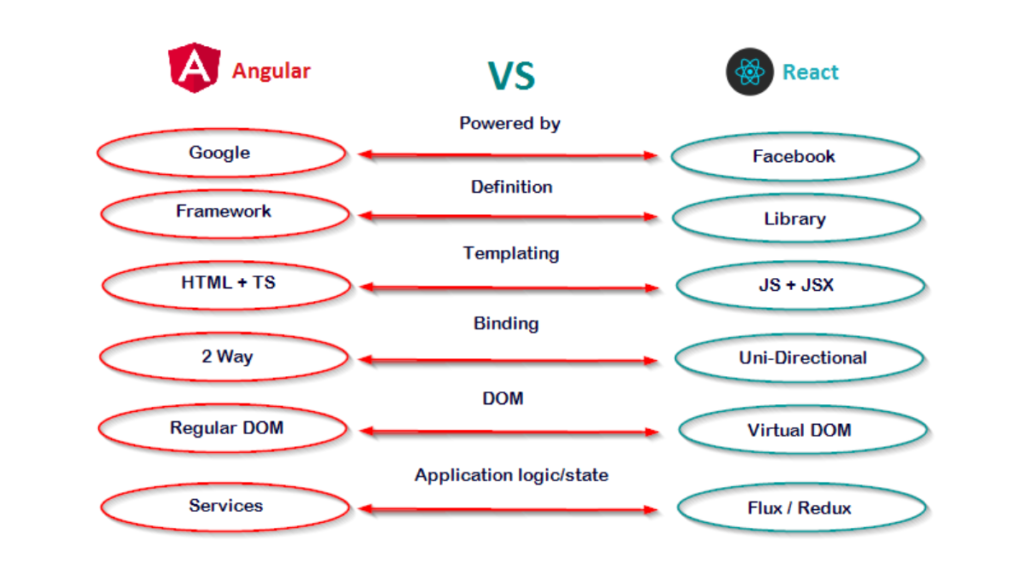
One of the biggest reasons behind React’s popularity is its Virtual DOM. Instead of updating the entire webpage when something changes, React updates only the parts that need changes. This makes applications feel fast and smooth. Hooks are another major feature that simplified state management and logic handling, especially after their introduction.
React follows one-way data binding, which makes the flow of data predictable and easier to debug. Its ecosystem is massive. From state management libraries to routing solutions, you have thousands of tools available. If you want to build mobile apps, React Native allows you to use similar concepts for cross-platform development.
In 2026, React continues to dominate startup environments because of its flexibility. It allows developers to move quickly and experiment without heavy restrictions. However, because it is just a library, you often need to choose additional tools for routing, state management, and project structure. For beginners, this freedom can sometimes feel confusing.
What is Angular?
Angular is a complete frontend framework developed by Google and officially released in 2016 as Angular 2+. Unlike React, Angular is not just about UI. It is a full-fledged solution for building large-scale applications.
Angular is built using TypeScript, which adds strong typing to JavaScript. This makes code more structured and easier to maintain in big projects. Many enterprise companies prefer Angular because it provides everything in one package. Routing, HTTP services, form handling, and dependency injection are already built into the framework.
Angular supports two-way data binding, which means changes in the UI automatically update the data model and vice versa. This can speed up development in certain scenarios. Dependency Injection is another powerful feature that helps manage services efficiently.
In 2026, Angular remains a strong choice for enterprise-level applications where consistency and long-term maintainability are important. The structured architecture reduces confusion in large teams. However, the learning curve can feel slightly heavier compared to React, especially for beginners who are new to TypeScript.
React vs Angular: Head-to-Head Comparison in 2026
React is technically a library, while Angular is a full framework. This single difference changes everything. React gives you flexibility and control, but Angular gives you a complete structure from day one.
React primarily uses JavaScript, although many developers now use it with TypeScript. Angular is built entirely around TypeScript. If you enjoy a structured and strongly typed environment, Angular may feel more comfortable. If you prefer lightweight and flexible coding, React might be your choice.
When it comes to performance, both are highly optimized in 2026. React’s Virtual DOM ensures fast UI updates, while Angular’s modern rendering improvements have significantly improved its speed and efficiency.
React is often seen as beginner-friendly because you can start small and scale gradually. Angular requires a deeper understanding of concepts like modules, decorators, and dependency injection, which can take more time to learn.
For startups and single-page applications, React is often preferred because of its simplicity and faster development cycle. For large enterprise systems that require strict architecture and maintainability, Angular often becomes the natural choice.
Performance Comparison in 2026
Performance is a major concern for modern applications. React’s Virtual DOM continues to provide efficient rendering by updating only necessary parts of the interface. This makes it highly suitable for dynamic applications with frequent UI updates.
Angular, on the other hand, has significantly optimized its change detection mechanism over the years. Modern Angular versions are much faster than earlier releases and perform exceptionally well in enterprise applications.
Bundle size can vary depending on project configuration. React projects can start smaller, but as you add additional libraries, the size may grow. Angular comes with many built-in features, which can increase the initial bundle size but reduce the need for external packages.
For SEO, both frameworks can work effectively with server-side rendering solutions. React uses tools like Next.js, while Angular offers Angular Universal. In 2026, SEO is no longer a weakness for either technology.
Job Market and Salary in 2026
The demand for frontend developers remains strong worldwide. React continues to have a larger share of job openings, especially in startups and product-based companies. Many modern tech companies prefer React due to its flexibility and strong community.
Angular is highly valued in enterprise environments, government projects, banking systems, and large corporations. These organizations prefer stability and structured development.
In India and globally, React developers often see slightly higher demand, but Angular developers in enterprise roles can also command competitive salaries. The salary difference depends more on experience and company type rather than just the framework.
If your goal is to maximize job opportunities quickly, React might open more doors. If you are aiming for enterprise-level positions, Angular remains a strong and respected choice.
React vs Angular for Beginners
For beginners, React often feels easier to start with. You can quickly build small projects and see visible results. The documentation is simple and beginner-friendly, and the community is extremely large.
Angular requires learning TypeScript and understanding its structured architecture. While this may feel challenging at first, it also builds strong fundamentals in scalable application development.
If you enjoy learning step by step with flexibility, React may suit you. If you prefer a guided, structured approach from the beginning, Angular could be the better option.
React vs Angular for Enterprises
In large-scale applications, structure matters. Angular’s built-in architecture, dependency injection, and modular system make it suitable for enterprise teams working on complex systems.
React can also be used in enterprise applications, but it requires additional architectural decisions. Companies must carefully select libraries and enforce project structure.
For long-term maintainability and team consistency, Angular offers strong built-in solutions. For innovative, product-focused companies that prioritize speed and UI creativity, React often becomes the first choice.
When Should You Choose React?
React is an excellent choice if you are building flexible and dynamic user interfaces. It works beautifully for startup MVPs where speed is critical. If you are interested in mobile app development, React Native extends your skills beyond web applications.
It is also ideal if you want to experiment, build side projects, or learn modern frontend development without being overwhelmed by strict rules.
When Should You Choose Angular?
Angular becomes a strong candidate when you are building large-scale enterprise applications that require clear architecture and long-term stability. If your organization values structured code, strong typing, and built-in tools, Angular provides everything in one ecosystem.
It is particularly useful when multiple developers are working on the same project and consistency is essential.
In 2026, React and Angular are both powerful and future-proof technologies. React represents flexibility, speed, and a massive ecosystem. Angular represents structure, stability, and enterprise strength.
If you are a fresher looking for faster entry into the job market, React might be the smoother path. If you are aiming for enterprise environments and want strong architectural foundations, Angular could be the smarter long-term investment.
The best framework is not the one that is trending. It is the one that aligns with your goals, learning style, and project requirements.
Frequently Asked Questions (FAQs)
Is React better than Angular in 2026?
React is not necessarily better, but it is more popular and flexible. Angular is equally powerful and preferred for enterprise applications.
Which pays more, React or Angular?
Salary depends on experience and company type. React may have slightly more job openings, but Angular roles in enterprises can offer competitive packages.
Is Angular losing popularity?
Angular is not losing relevance. While React dominates in startups, Angular remains strong in enterprise environments and large-scale systems.
Should beginners learn React or Angular first?
Most beginners find React easier to start with. However, learning Angular can provide strong foundational knowledge in structured application development.
Can I learn both React and Angular?
Yes, learning both can increase your career opportunities. Once you understand one framework deeply, picking up the other becomes much easier.
Disclaimer: This article is written for informational and educational purposes only. Technology trends, job market demand, and salary data may vary depending on region, company, and time. Always conduct your own research and choose a technology based on your personal career goals and project requirements.
Read more
PHP Developer Fresher Salary in India 2026 – How Much Can You Earn After MCA?
React Developer Salary in India 2026: Freshers to 5+ Years Pay Scale Revealed