

How to prepare for WFH jobs: Working from home is no longer just a dream. For many people, it has become a practical way to earn, grow, and build a stable career without stepping outside the house every day. If you are tired of long commutes, office politics, or rigid schedules, a work-from-home job can truly change your lifestyle. But getting one is not about luck. It is about preparation, clarity, and smart action.
In this guide, you will learn what work-from-home jobs really mean, how to prepare yourself step by step, where to find genuine opportunities, and how to avoid common mistakes that stop most beginners.
How to prepare for WFH jobs
Before applying anywhere, it is important to understand what type of job you are looking for. Many people confuse remote work with freelancing or hybrid jobs, but they are not the same.
A remote job usually means you are a full-time employee working for a company from home. You follow fixed working hours and receive a monthly salary. A hybrid job allows you to work both from home and from the office on selected days. Freelancing is different because you work independently and take projects from different clients instead of being tied to one company.
Understanding this difference helps you apply for the right opportunities and set realistic expectations about income and responsibilities.
Today, work-from-home roles are available in many industries. Some of the most common options include telecalling, customer support (both voice and non-voice), data entry, digital marketing, content writing, web development, virtual assistance, online teaching, and IT consulting. These roles suit different skill levels, from beginners to experienced professionals.
Work-from-home jobs come with clear advantages. You save travel time, reduce daily expenses, and enjoy more flexibility. At the same time, you must handle distractions, manage your time properly, and stay motivated without supervision. Self-discipline becomes your biggest strength.
Identifying Your Skills and Choosing the Right Field
One of the biggest mistakes people make is applying for every job they see. Instead, take a moment to understand your strengths.
Technical skills such as coding, search engine optimization, graphic design, and working with tools like MS Excel or Google Sheets are highly valuable in remote roles. If you already have some technical knowledge, you can build on it and aim for higher-paying jobs.
Soft skills are equally important. Communication, time management, discipline, and problem-solving ability matter a lot when you work from home. Employers want people who can work independently without constant supervision.
If you are unsure about your strengths, try free online skill assessments, watch beginner tutorials, or complete small practice tasks. Experiment with simple freelance projects to see what feels comfortable. If you are just starting, beginner-friendly roles like customer support, data entry, internships, or entry-level content writing can be a good starting point.
Choosing the right field early helps you focus your learning and avoid confusion.

Learning In-Demand Skills for 2026
The digital world keeps evolving, and employers expect basic technical confidence from remote workers. Even if your job is not highly technical, you must be comfortable using computers, sending professional emails, researching online, and attending virtual meetings.
Strong communication skills are essential. Clear speaking, simple writing, and polite interaction can help you stand out during interviews and daily work.
You should also learn commonly used remote tools such as Zoom or Google Meet for meetings, Slack for team communication, MS Office or Google Docs for document work, and productivity tools like Trello or Notion for task management. These tools are widely used across industries and can increase your chances of getting hired.
There are many short-term certification courses available online. Free learning platforms, YouTube tutorials, and affordable courses from trusted providers can help you upgrade quickly. Even a few weeks of focused learning can make a big difference in your confidence.
Setting Up Your Home Office the Right Way
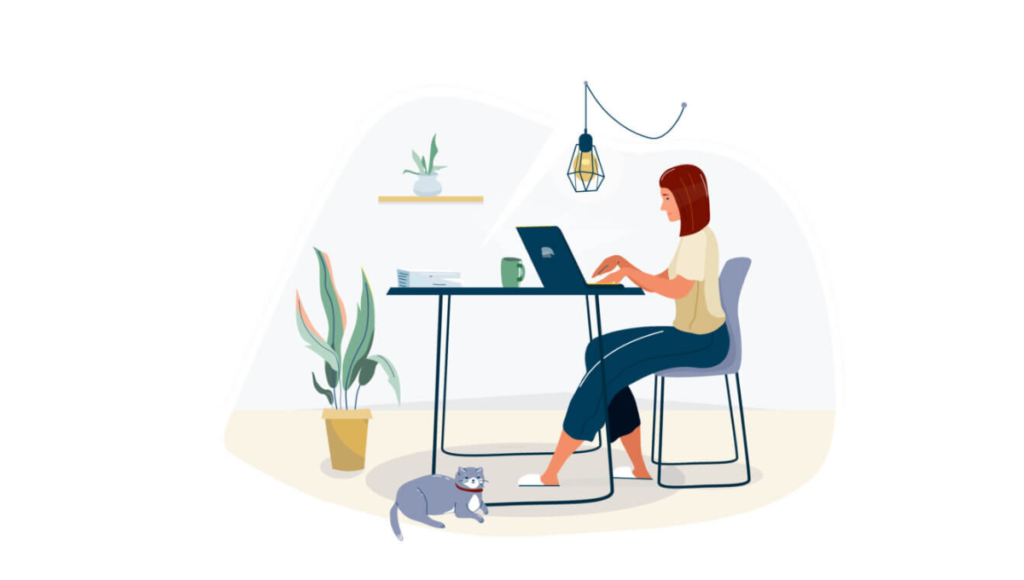
You do not need a luxurious office space to work from home, but you do need a reliable setup.
A laptop or desktop with at least 8GB RAM and a stable processor is recommended for smooth performance. A working webcam and clear microphone are important for meetings and interviews. A stable internet connection with good speed ensures that your work does not get interrupted.
Choose a quiet corner of your home with proper lighting and a clean background. Even small improvements like sitting near a window or using a simple desk lamp can improve your video quality during meetings. If possible, arrange a backup internet connection or mobile hotspot to handle unexpected network issues.
A comfortable chair and organized desk may seem small, but they directly affect your productivity and health.
Creating a Strong Resume for Work From Home Jobs
Your resume is often your first impression. For remote jobs, highlight qualities that show independence and responsibility.
Mention your communication skills, familiarity with remote tools, and any certifications you have completed. If you have handled projects independently, describe them clearly. Even small freelance tasks or internships count as valuable experience.
Adding portfolio links can strengthen your profile. A GitHub account for developers, a LinkedIn profile with detailed information, a personal blog, or a digital marketing project can showcase your practical skills.
Avoid common mistakes like spelling errors, unnecessary long descriptions, or exaggerating experience. Keep your resume clean, professional, and focused on results.
Building a Strong Online Presence
In today’s digital world, recruiters often check your online presence before shortlisting you.
Start by optimizing your LinkedIn profile. Use a professional photo, write a clear headline, and describe your skills honestly. Enable the “open to work” feature if you are actively searching.
Create a simple professional email address that reflects your name. Avoid informal usernames. If possible, build small projects that demonstrate your ability. Writing blog posts, creating sample designs, building a small website, or running a mock marketing campaign can show initiative.
Joining job communities and professional groups can also help you discover hidden opportunities that are not publicly advertised.
Preparing for Online Interviews with Confidence
Online interviews may feel intimidating at first, but proper preparation makes them easier.
Practice introducing yourself in a clear and confident manner. Be ready to explain why you prefer remote work and how you manage your time effectively. Employers often ask how you handle distractions and maintain productivity at home.
Before the interview, test your microphone, camera, and internet connection. Dress professionally even if you are sitting at home. Maintain eye contact with the camera and speak calmly.
Your goal is to show that you are reliable, disciplined, and comfortable using technology. Confidence comes from preparation.
Where to Find Genuine Work From Home Jobs
Finding the right opportunity requires using trusted platforms. Popular job portals like Naukri.com, Indeed, Apna, and Internshala regularly list remote roles. You can filter results using keywords like “remote” or “work from home.”
Professional networking platforms like LinkedIn are powerful for connecting with recruiters and discovering openings. Freelancing websites such as Upwork and Fiverr can also help you start earning while building experience.
Always check company career pages directly to find authentic listings.
How to Avoid Work From Home Scams
Unfortunately, the rise in remote work has also increased scams. Be cautious and alert.
Never pay registration fees to secure a job. Genuine companies do not charge money for hiring. Be careful if someone promises extremely high salary for simple tasks without proper interviews. Verify company details through official websites and reviews.
If an offer feels unrealistic or suspicious, trust your instincts and step back. Your safety and financial security are more important than quick opportunities.

Creating a Healthy Daily Routine for Productivity
Working from home gives freedom, but freedom without discipline can reduce productivity.
Set fixed working hours and treat them seriously. Create a daily to-do list and prioritize tasks. Use productivity tools to track your work and avoid constant social media distractions.
Take short breaks to refresh your mind and maintain energy. Balance work and personal life properly to avoid burnout.
Consistency is the key to long-term success in remote work.
Getting a work-from-home job is not just about sending applications. It is about preparing yourself mentally, technically, and professionally. When you build the right skills, set up your workspace properly, create a strong resume, and apply through trusted platforms, your chances of success increase significantly.
With patience, learning, and consistent effort, you can build a stable and rewarding remote career in 2026 and beyond.
Disclaimer: This article is for informational purposes only. Job availability, salary packages, and hiring requirements may vary depending on companies and market conditions. Always verify job offers through official sources and exercise caution to avoid fraud or misleading opportunities.
Read more
Amazon ML Data Associate Salary 2026: Real Pay, Allowances & Hidden Perks Revealed!
PHP Developer Fresher Salary in India 2026 – How Much Can You Earn After MCA?